A tax regime where the tax service does the math for you — no accountant, almost no reporting.
Alfa-Bank was in the first wave of banks to launch it, in 2022 — and the first major bank to offer the switch in one window. I designed it from scratch.
PRODUCT DESIGNB2B FINTECHREGULATEDCROSS-PLATFORM
The Russian first automatic tax regime
Alfa-Bank. Accounting team — AUSN
In July 2022 the government launched an experiment: a tax regime where the tax service does the math for you. 16 banks fought for the right to offer it first. Alfa-Bank won and I was the one who turned this brand-new, never-before-designed product into something an ordinary business owner could use without an accountant.
ROLE
Middle product designer. Solo designer from the halfway point
TEAM
2–3 teams in parallel · 2 designers → just me. Analysts, engineers, a lawyer, product owners
YEAR
2022
PLATFORMS
Web · mobile web
CONTEXT
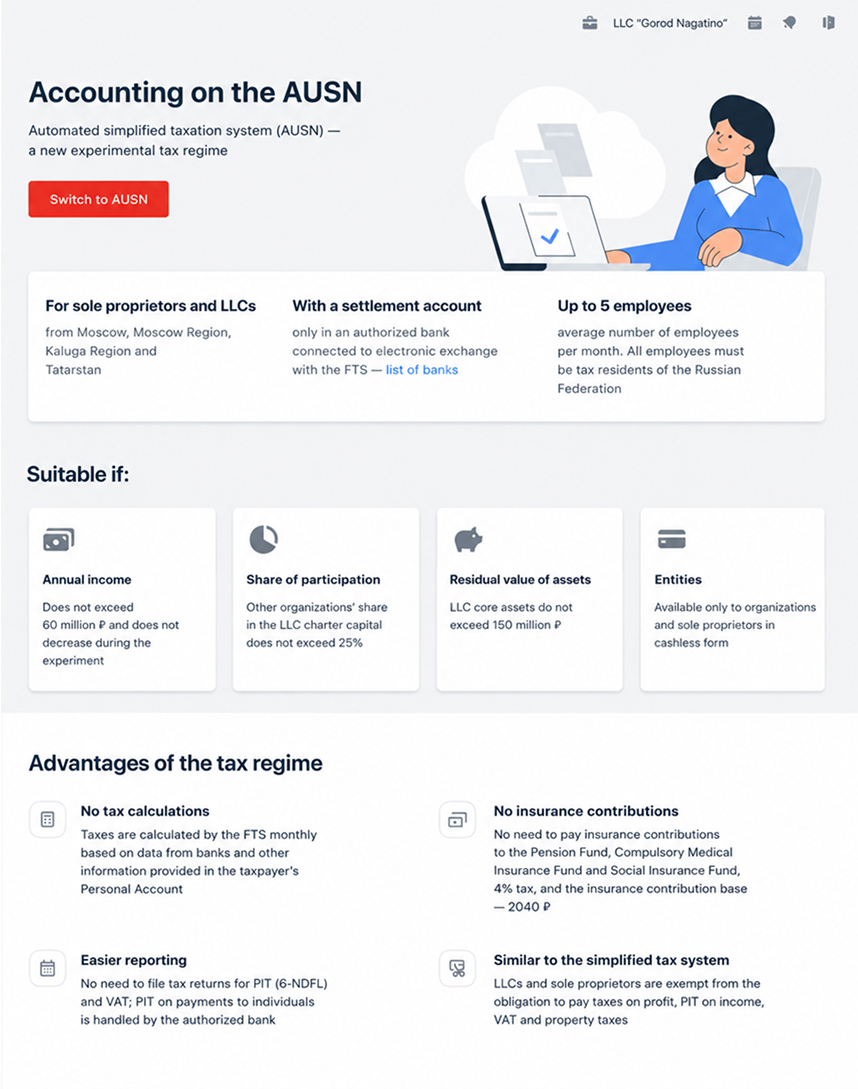
AUSN is the automated simplified tax system — a government experiment running from 2022 to 2027 across four regions. The idea is to take the busywork off small business owners.
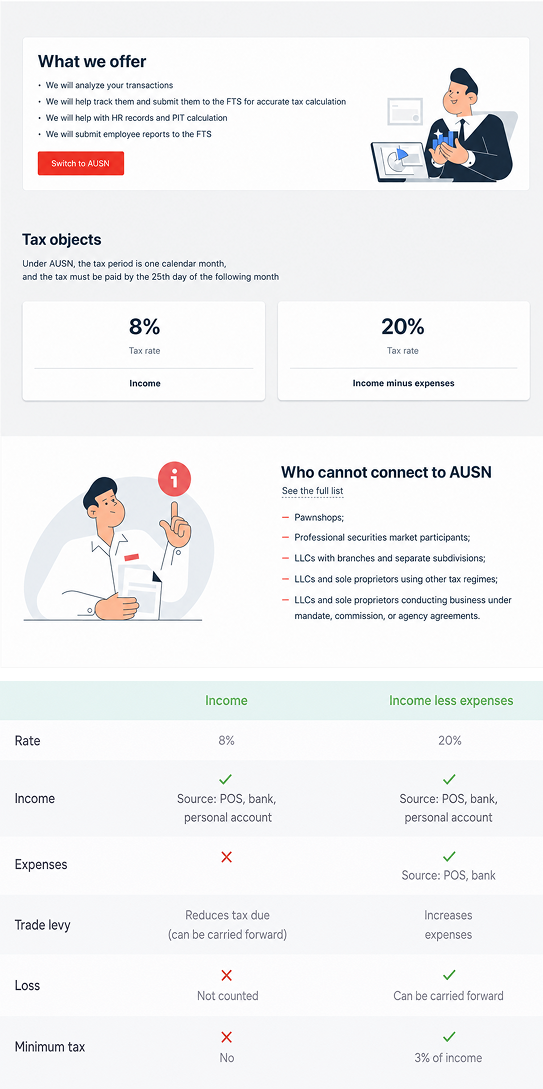
Almost no reporting, no insurance contributions, and the tax service calculates the tax every month itself — from cash register, bank and personal-account data. The rate depends on what you pick: 8% on income, or 20% on income minus expenses.
Why it's hard to design: it's new. No patterns, no references, and the data arrives from the outside — from the tax service, in raw legal form. A mistake in the interface costs the client real money and fines.
What AUSN is
WHY IT'S HARD
Nobody had designed a product like this before. No guidelines, no competitors, no ready integration — and the whole regime speaks the language of the tax code.
The challenge
The job cut both ways: translate legal wording and raw tax data into something a business owner understands, while keeping it correct enough for the regulator. You can't be wrong for the client or for the law.
I joined as a mid-level product designer. To hit a tight deadline, two or three teams built AUSN in parallel — between all of them there were two designers, then the other one left, and from the halfway point the whole design was on me. The final design is entirely mine.
My role
I worked side by side with analysts, engineers and a legal advisor, and picked apart the tax logic with the lawyer until it made sense. Research, service blueprint, flows, information architecture, hi-fi, and defending the work to the bank and the tax service — all mine.
How I worked
RESEARCH
01
Service blueprint, customer journey map, and a competitive teardown of ~16 banks.
LOGIC
02
Turning tax law and raw forms into flows — with the lawyer, until it made sense.
MVP
03
Ship, show to the tax service, get their sign-off and edits, then finish for real.
DESIGN
04
Dashboard, permissions, markers, tax sections, mobile web — all hi-fi.
DEFEND
05
Hold every decision up to the bank's business side and the regulator.
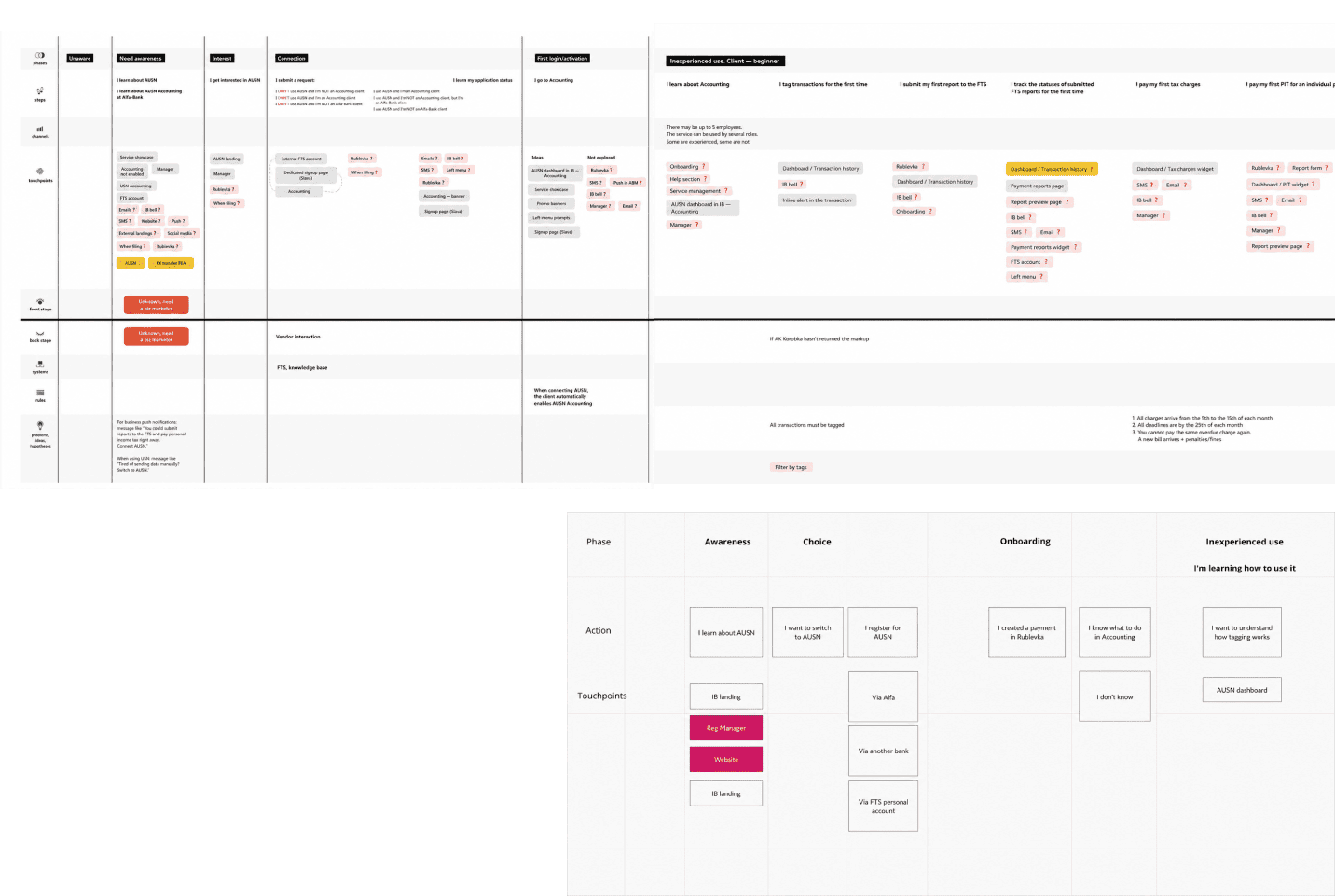
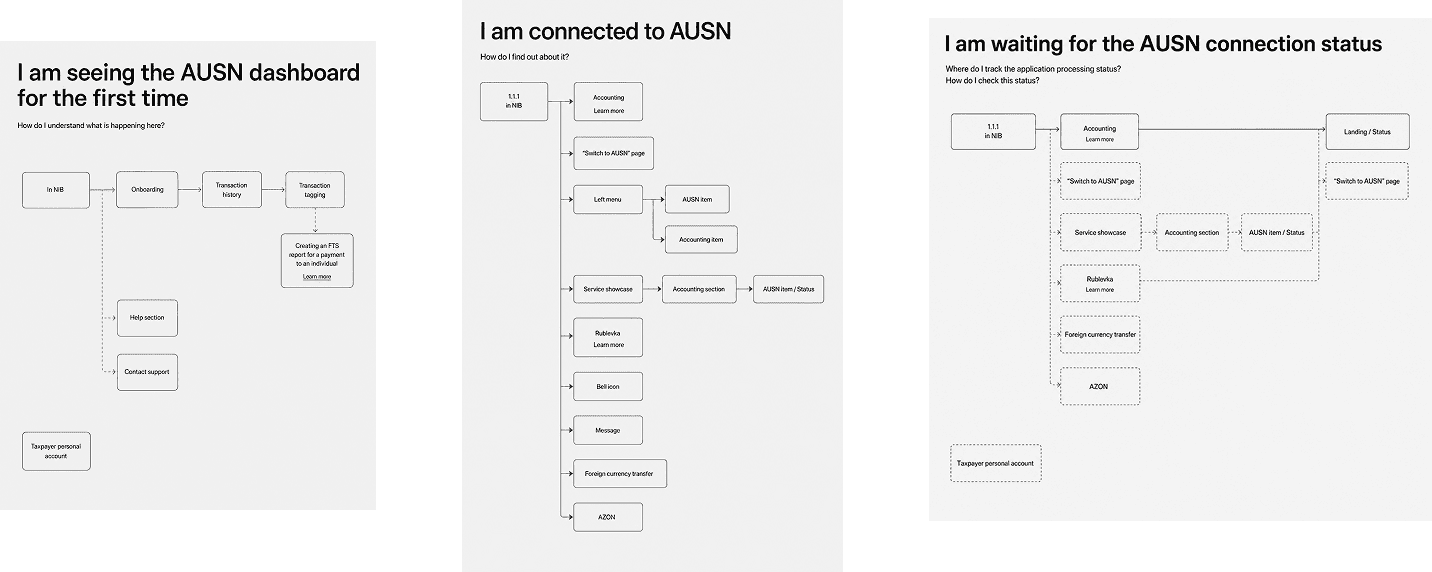
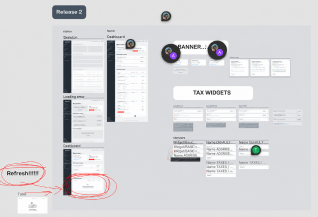
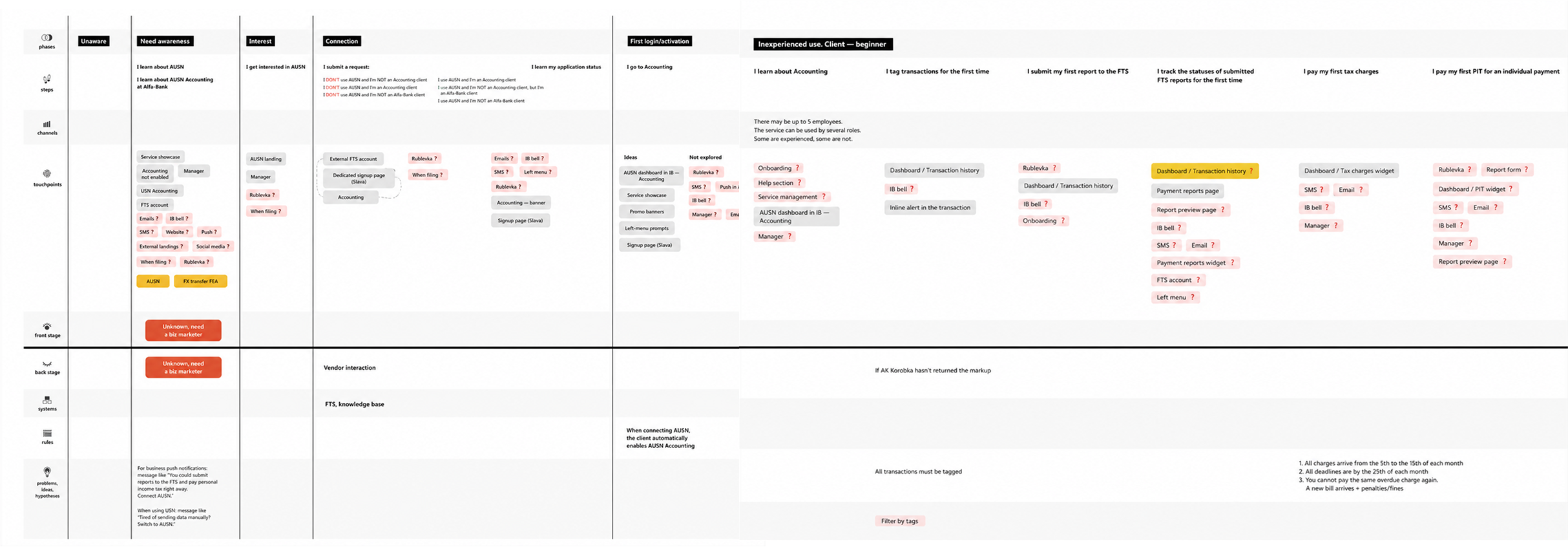
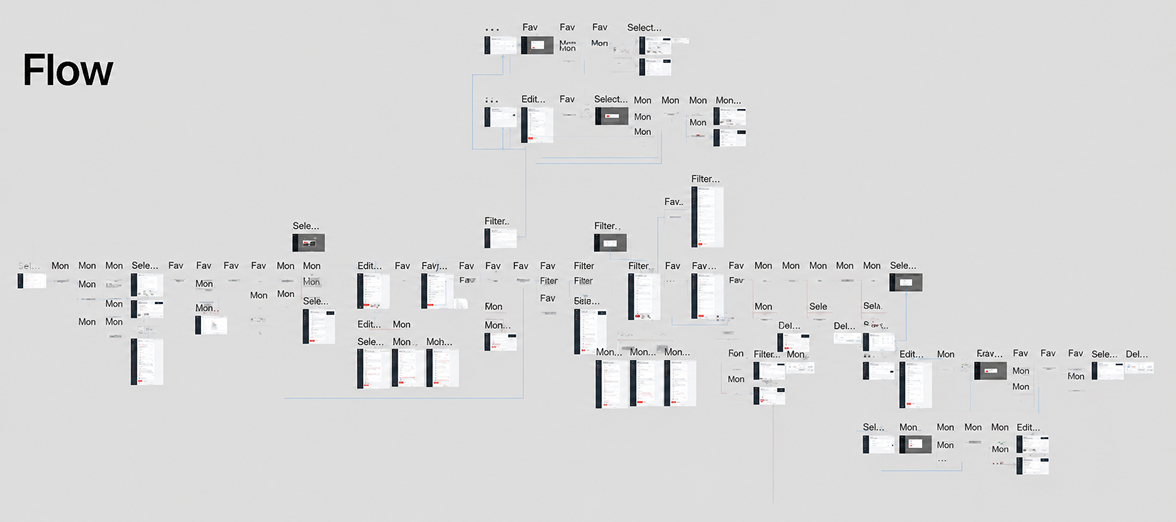
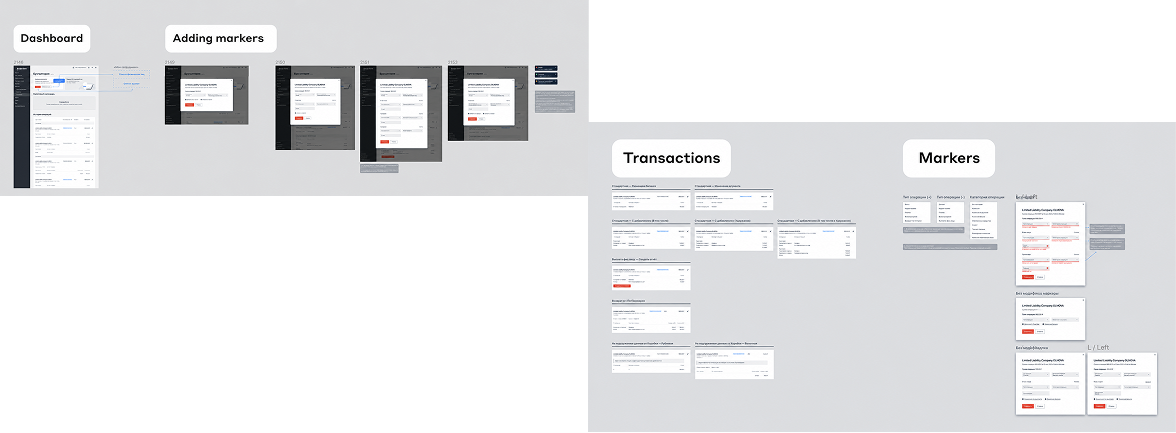
To see the whole product, I built a service blueprint of AUSN end to end — lining up every team involved, finding the weak spots, and mapping where the service should go next.
Research
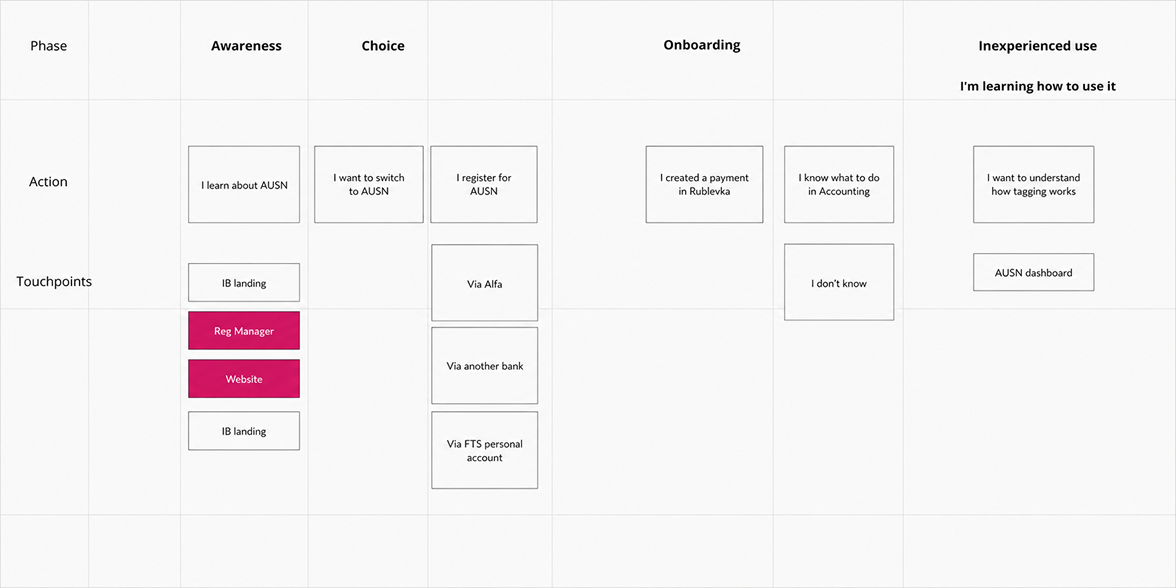
Next to it sat a customer journey map, from "first hearing about the regime" to using it with confidence.
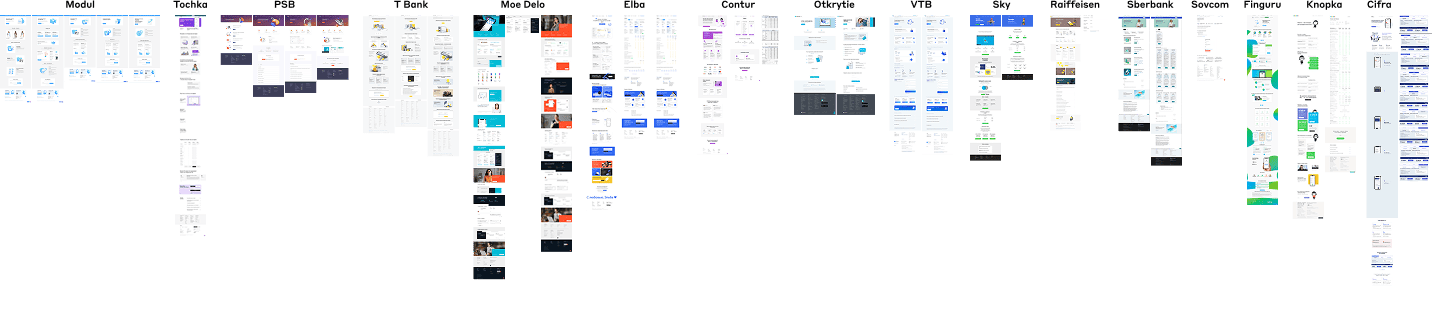
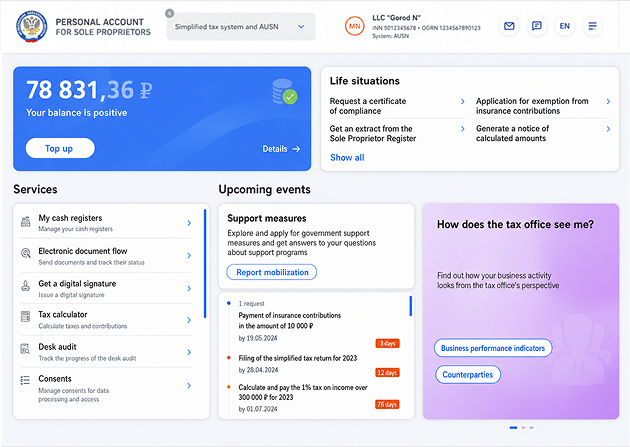
In parallel I ran a competitive teardown of the ~16 banks bidding for the tender — reading their landing pages to see what they planned to build, and where we could be sharper.
Turning law into an interface
PROCESS
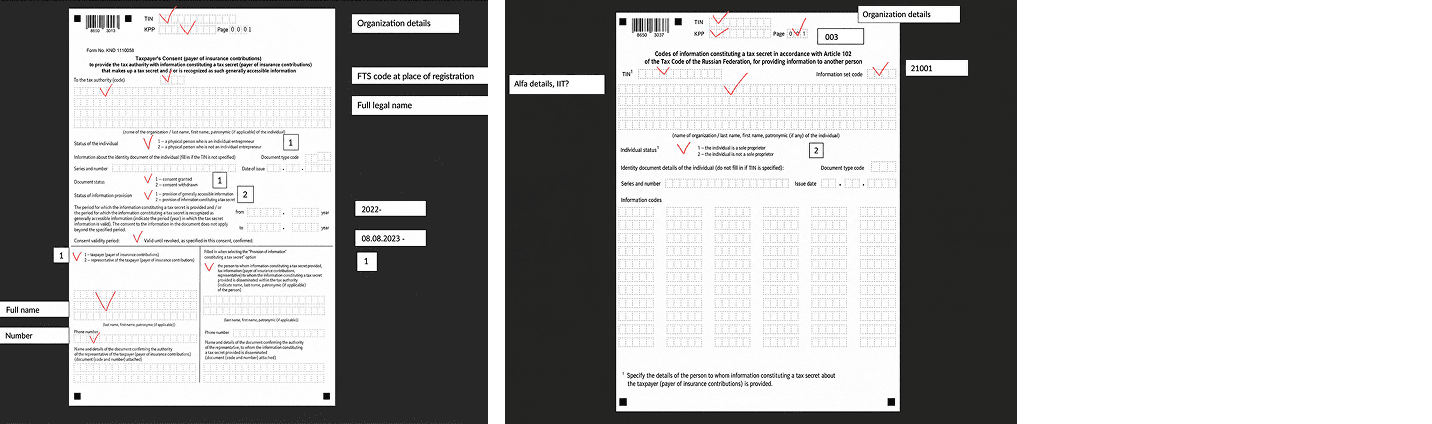
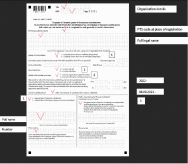
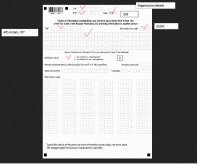
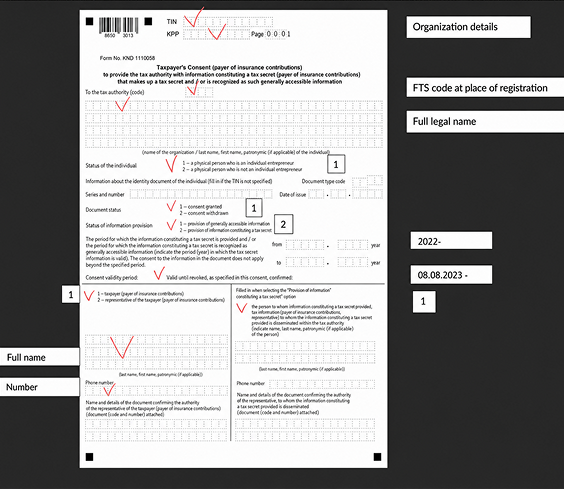
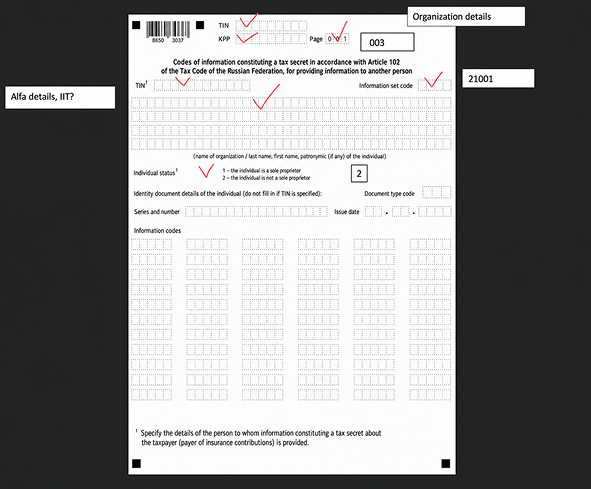
The hard part was the tax data. I took the official tax forms apart field by field and rebuilt them into screens a person could read — but in a shape the tax service could accept and read back without ambiguity.
With engineering we mapped the operation and category reference books, how transactions tie to the tax base, and the single-tax-account balance logic — inside the limits of what front and back could do.
I got the logic out of our lawyer: asking her to explain it like I was five, until I actually understood it. Only then I could make it simple for the client.
I asked our lawyer to explain it like I was five — then made it simpler.
MVP and the regulator
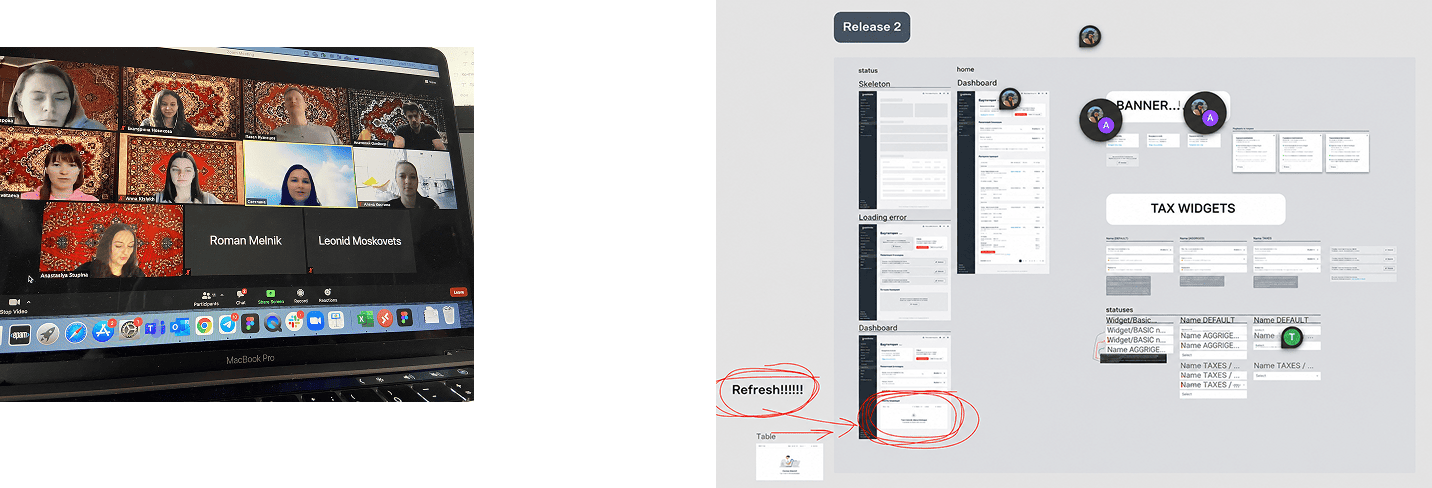
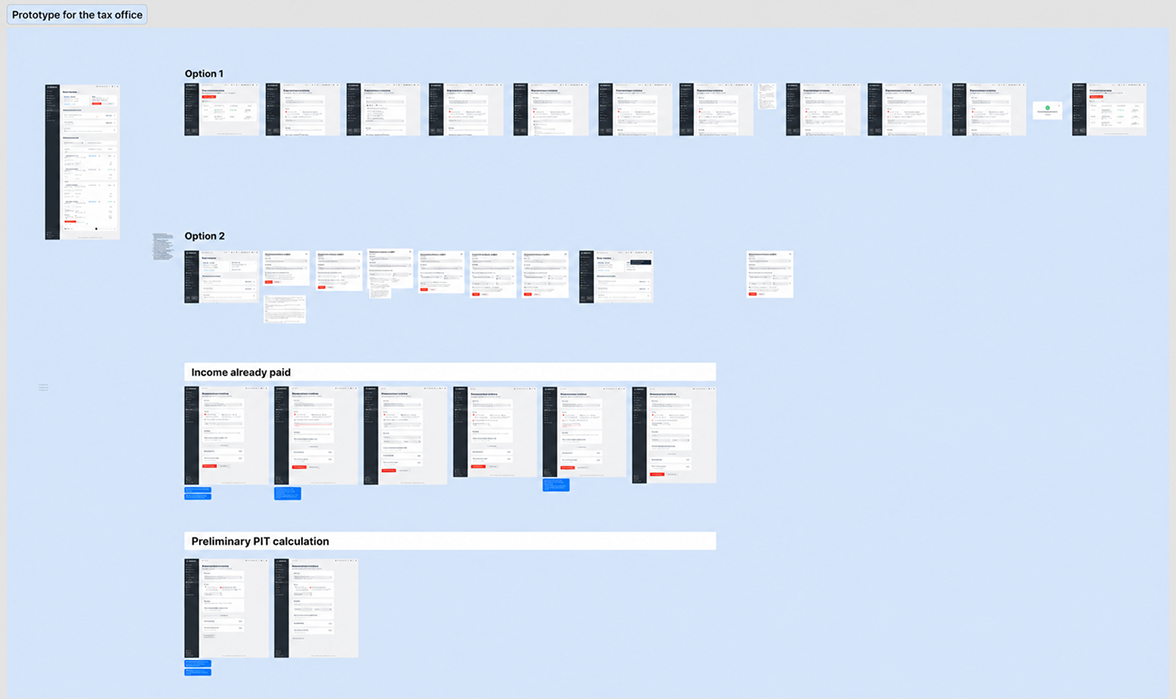
We didn't work with the tax service the usual "design, then build" way — we worked in loops. We shipped an MVP, showed it to them, got their sign-off and their edits, and only then went back to finish the real thing.
The tax service was effectively a second client. Their constraints had to sit inside the design at every step, and every decision had to hold up in front of the regulator — not just the bank's business side.
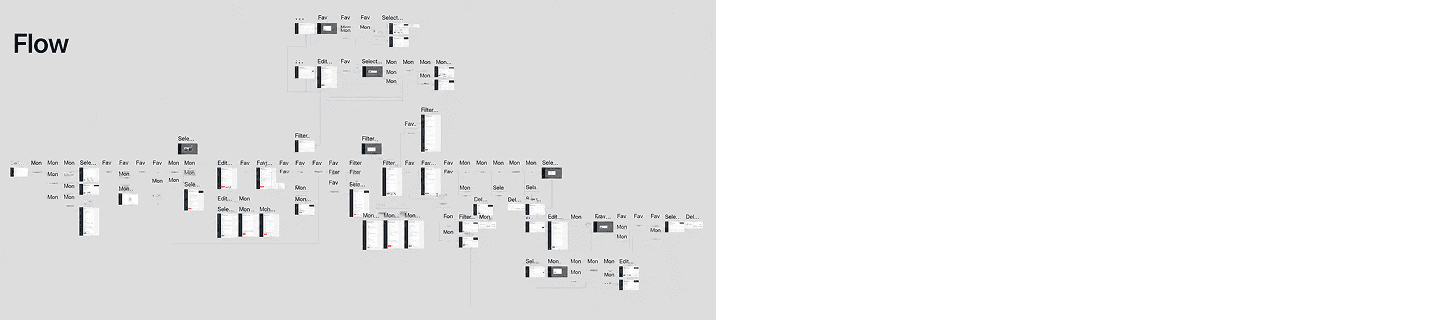
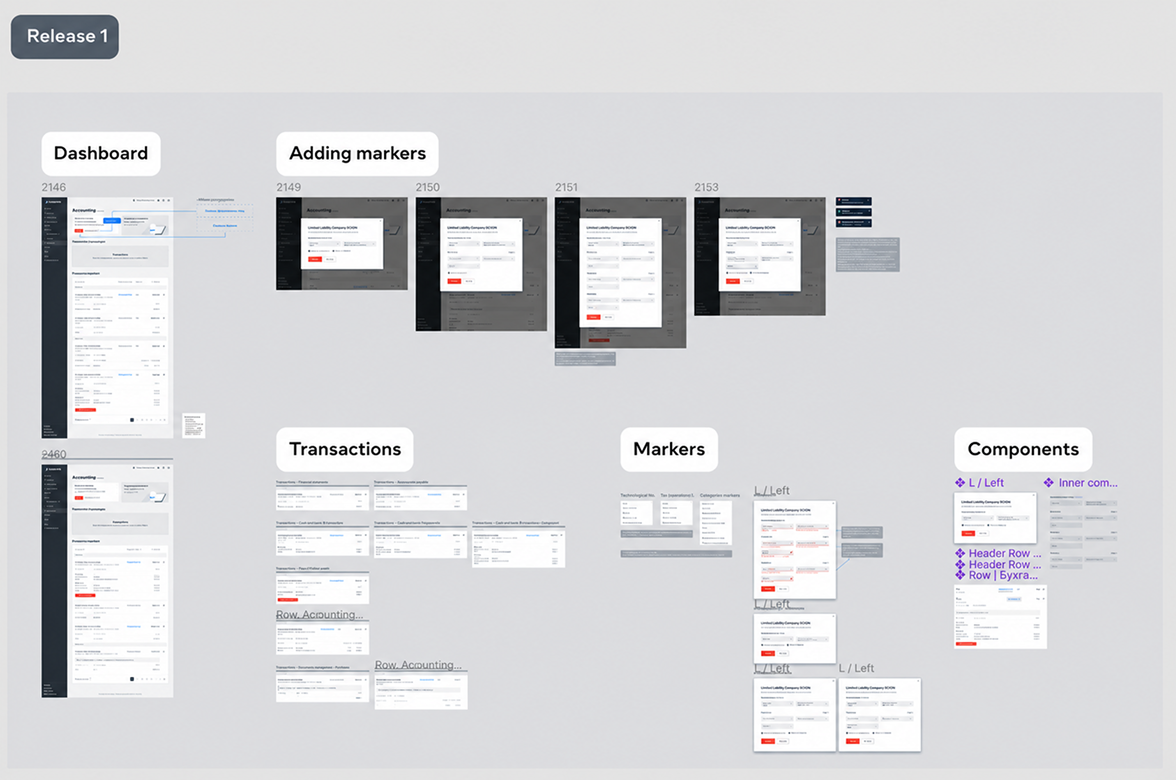
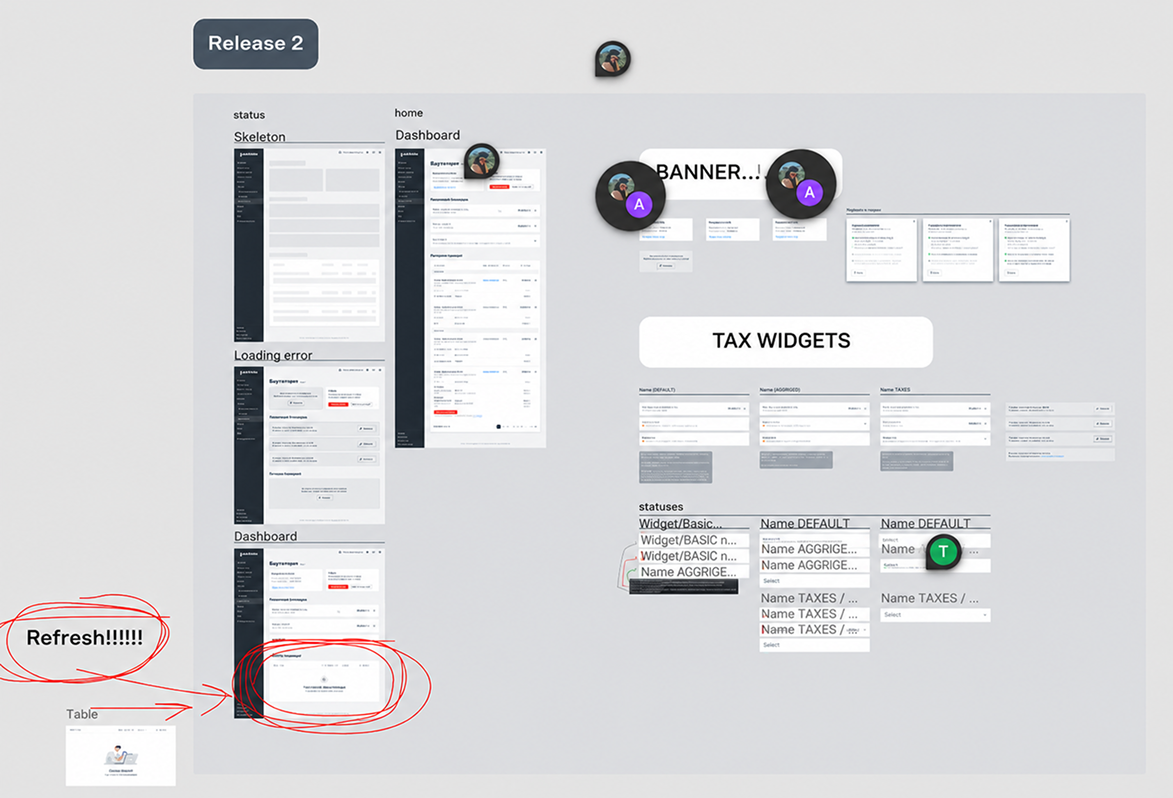
First full flow
Prototype for the Federal Tax team with some options to choose
MVP 1
MVP 2
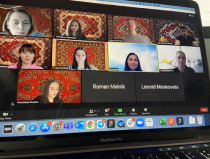
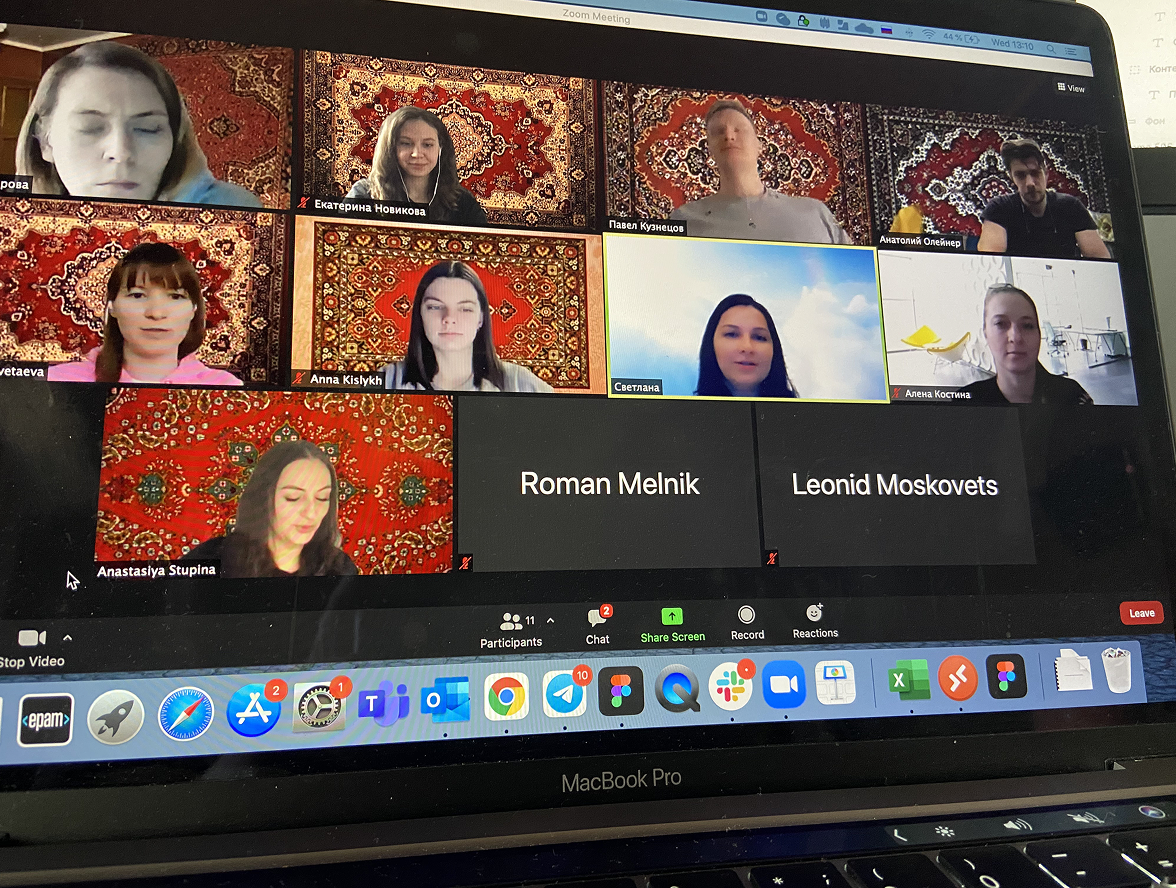
Waiting for the Federal Tax to join our meeting
Proud to start the trend for carpet backgrounds
The product,endto end
WHAT'S INSIDE
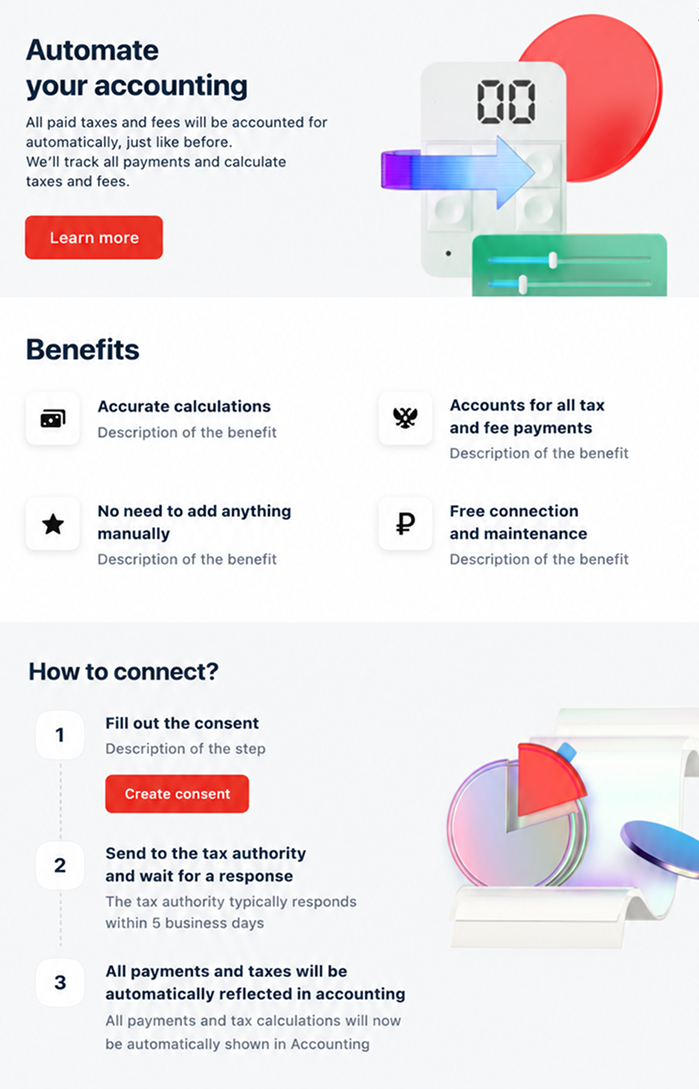
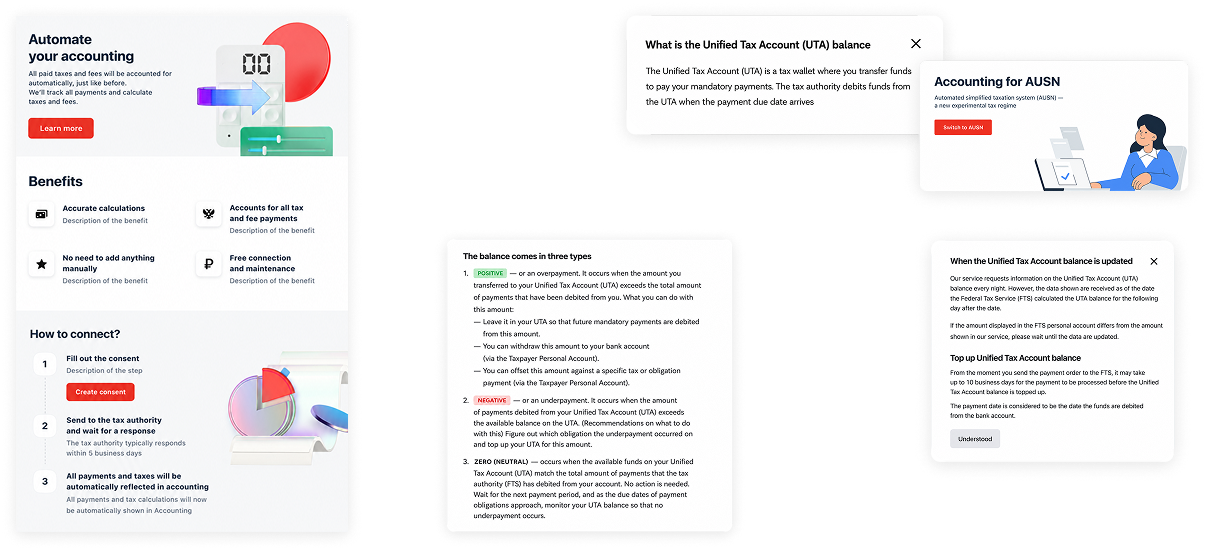
Landing
Main dashboard
Permissions status model
Transactions & markers
Income & calculated tax
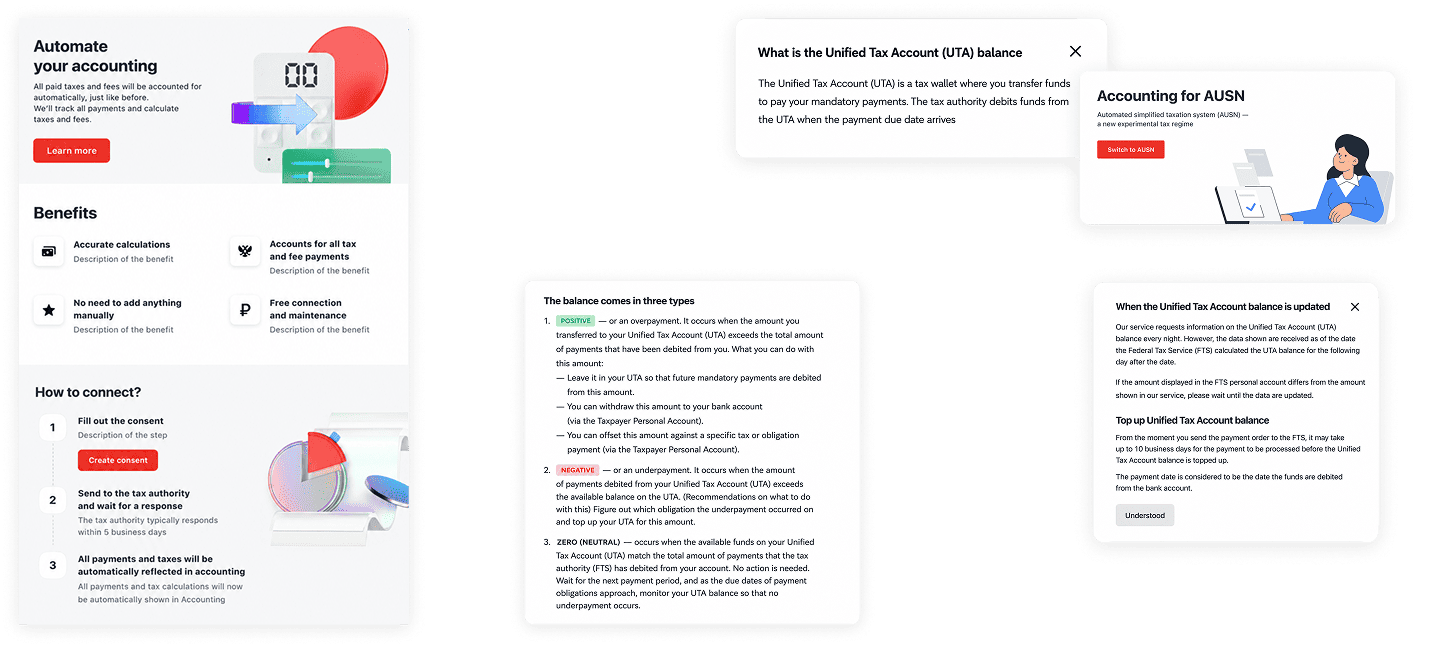
Landing
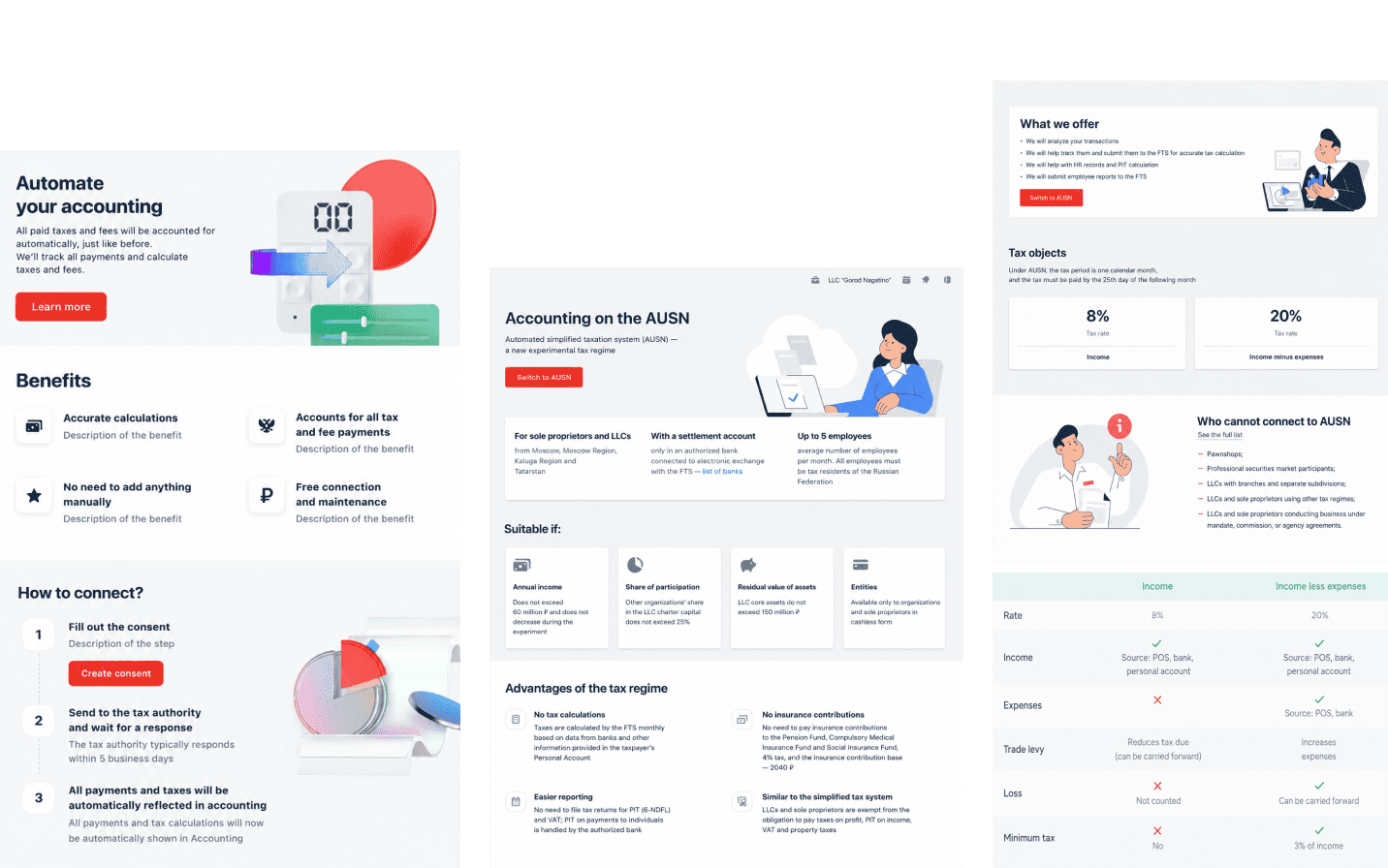
Explains the regime in plain words: who it fits, what the single tax account is, how everything gets counted. Signing up takes two steps — fill in a consent form and wait for the tax service to reply.
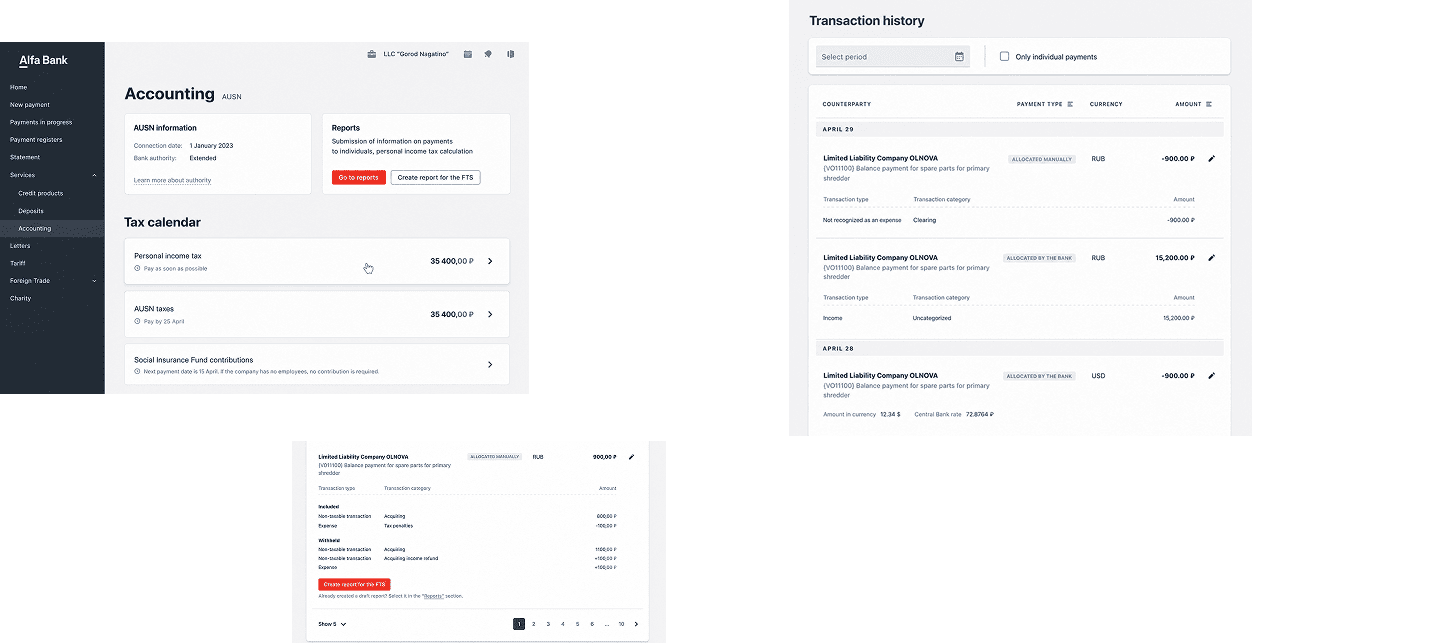
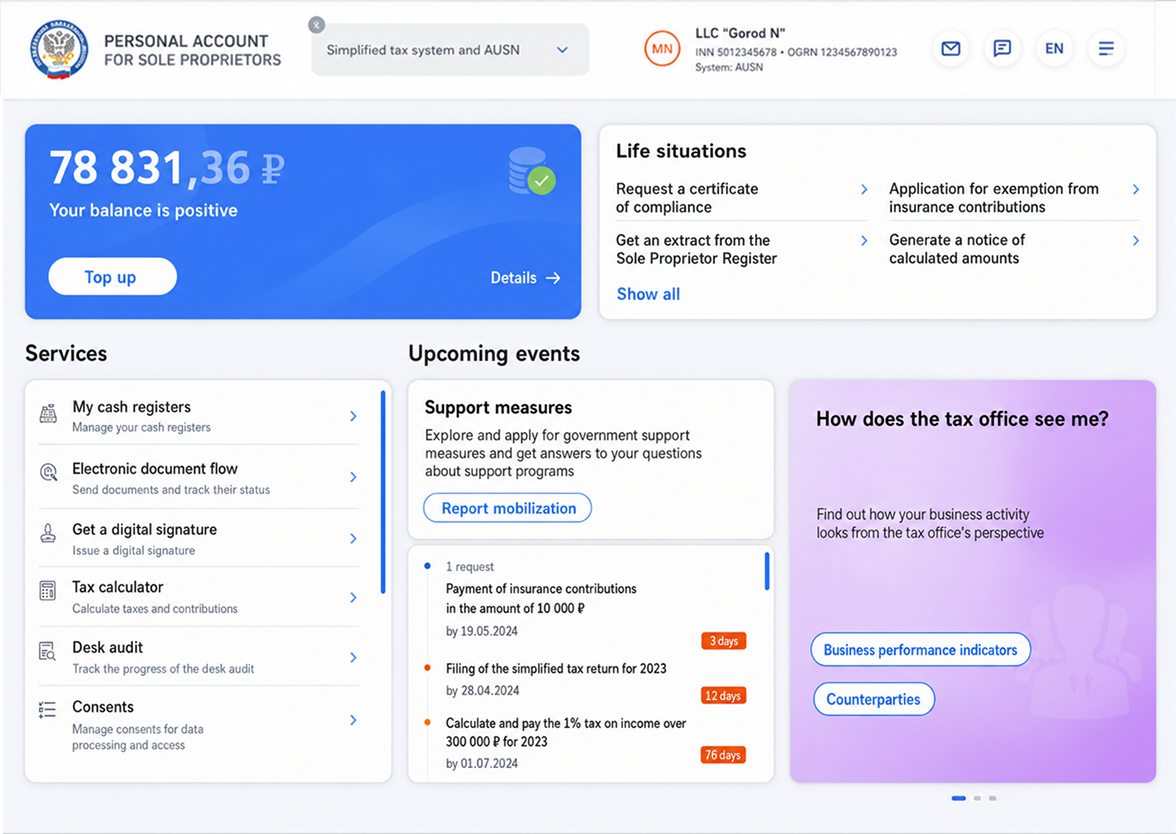
Main dashboard
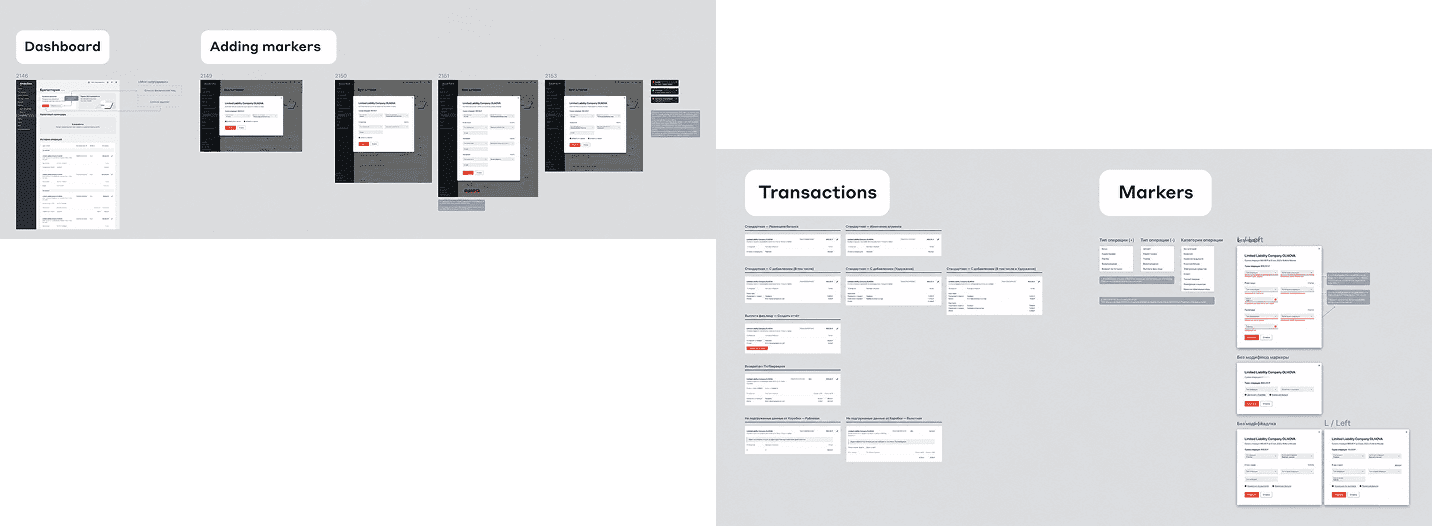
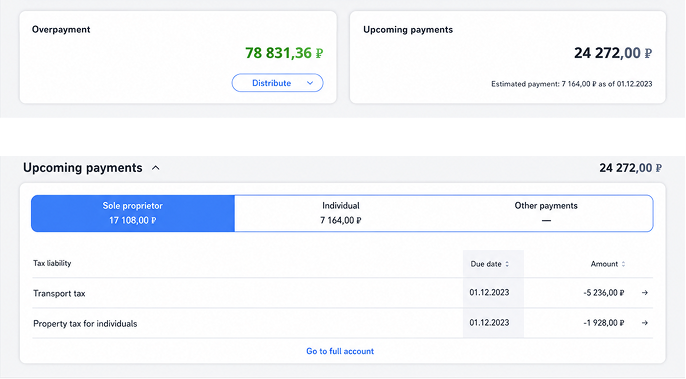
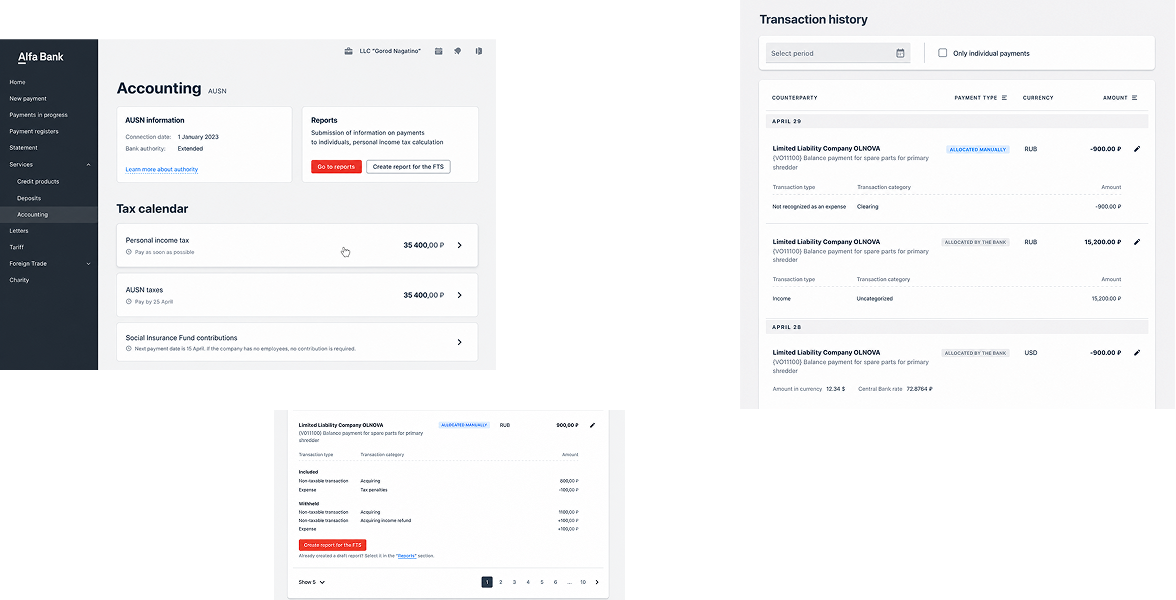
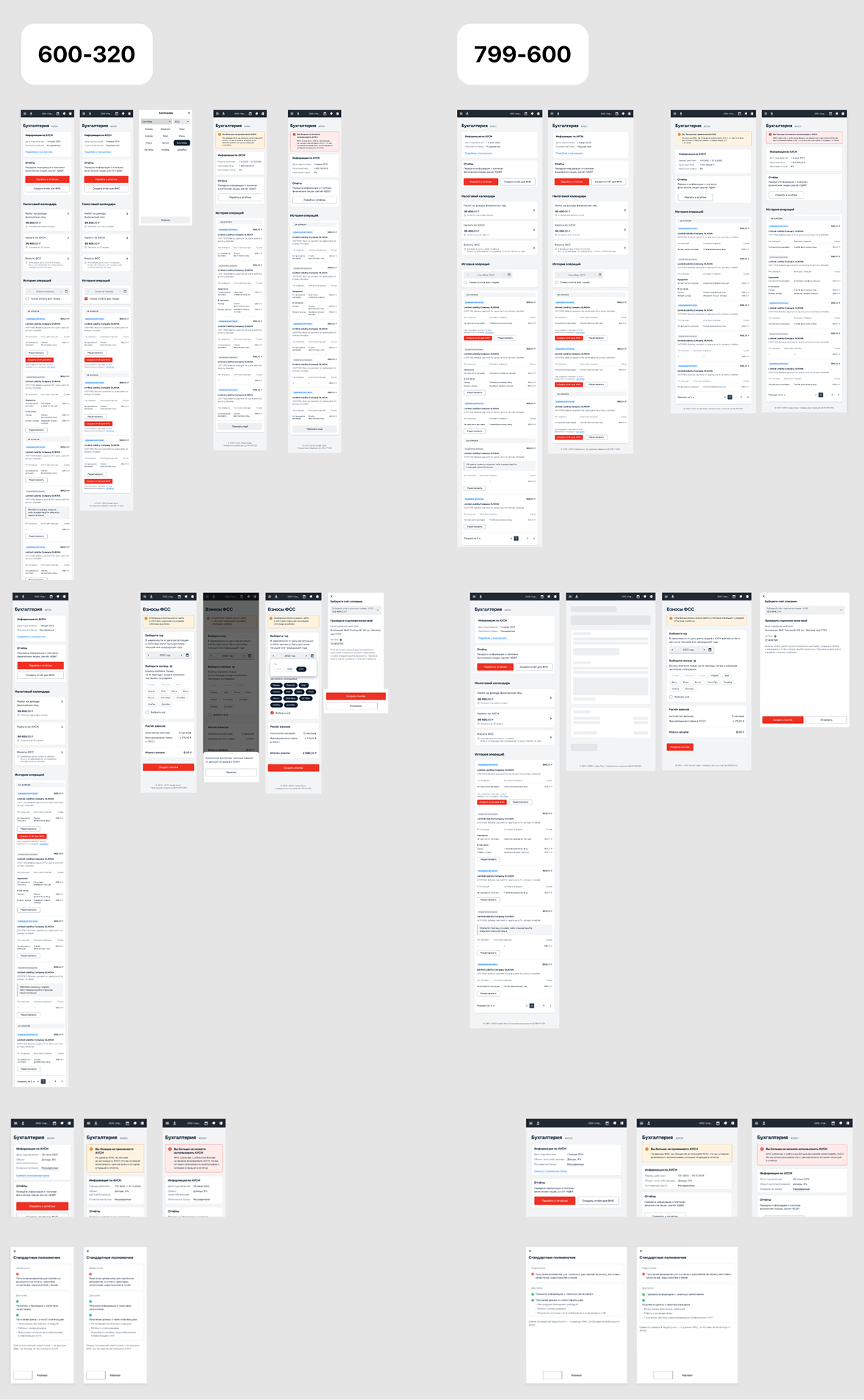
One place for everything: the state of the regime, a tax calendar with what's due and what's overdue, and an operation history you can retag by hand.
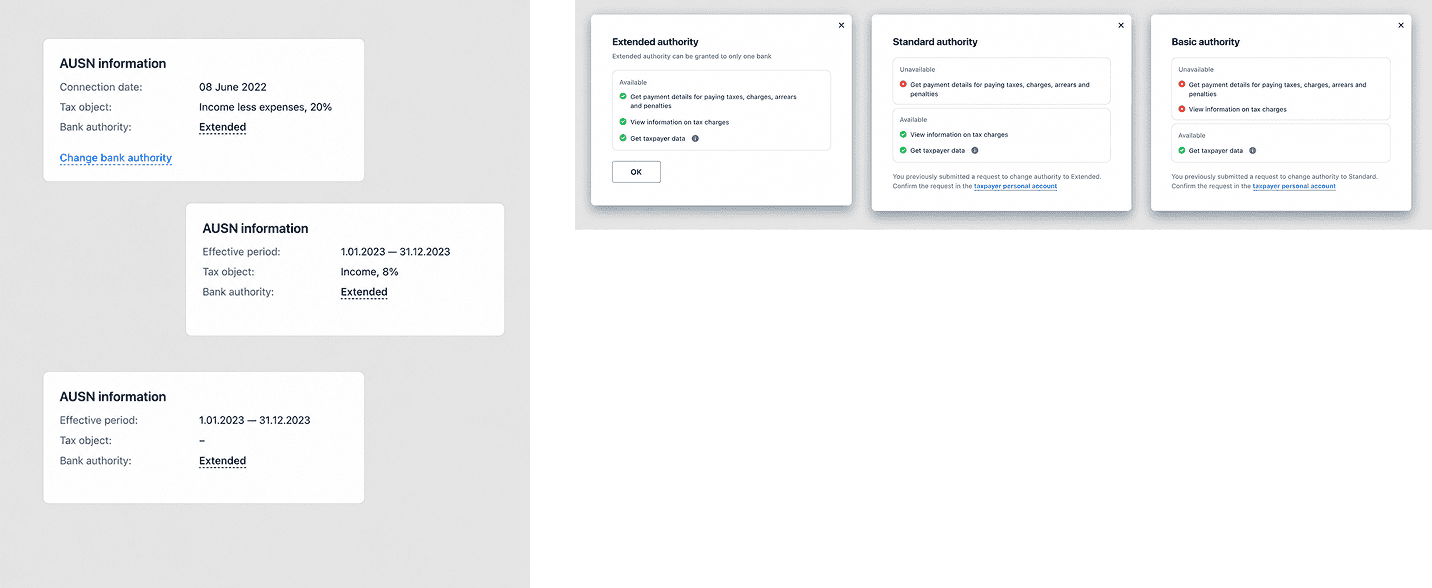
Permissions status model
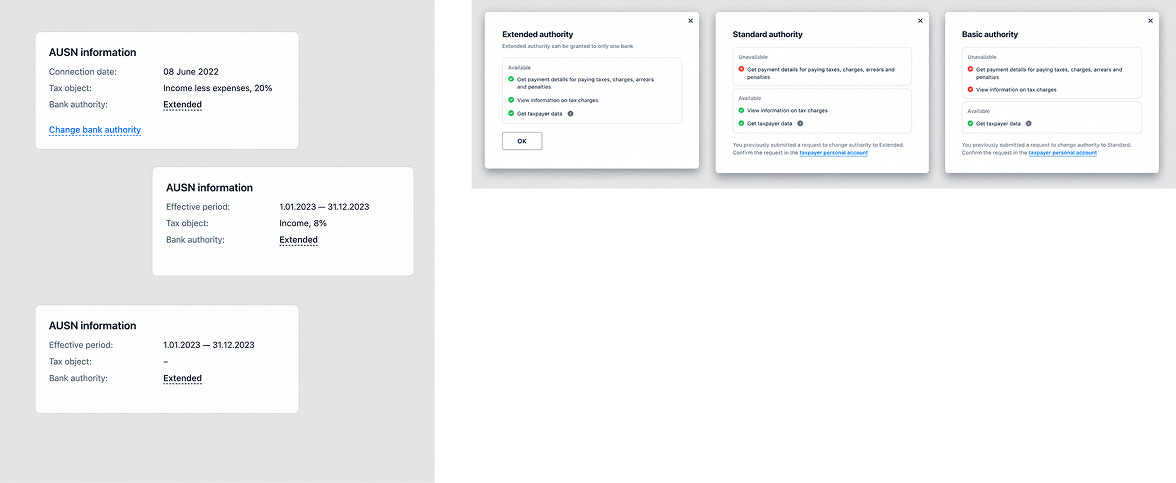
The bank only touches a client's tax data with their consent. I designed a permissions model where the client decides what the bank can access, and can see at a glance what's on and what's off.
Transactions and markers
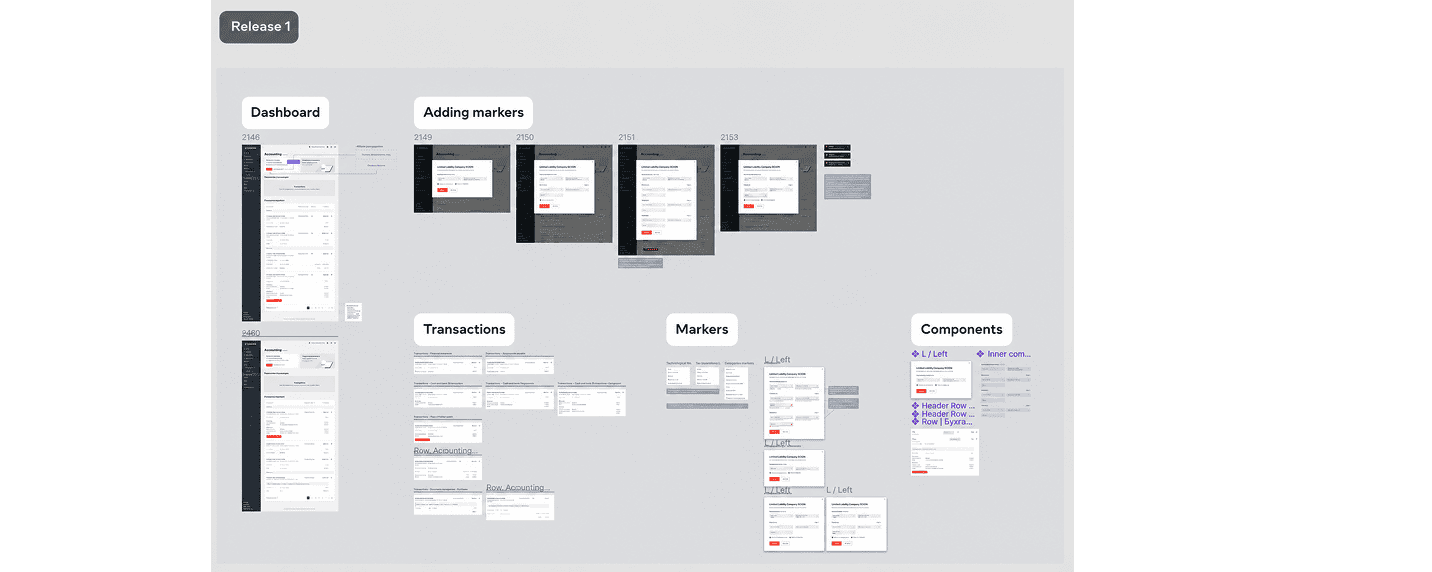
The heart of the regime — how every operation gets tagged for tax. Instead of dry codes from the tax handbook, I gave people plain markers: you see what lands in the tax base and why, and can fix the tagging by hand when an operation is unusual.
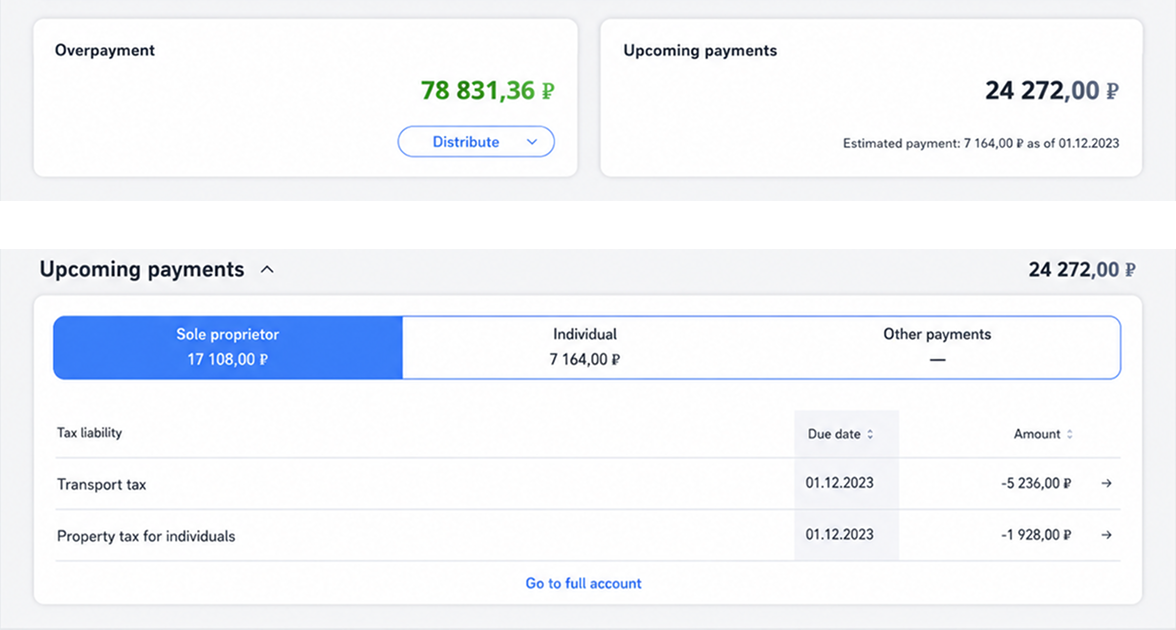
Income and calculated tax
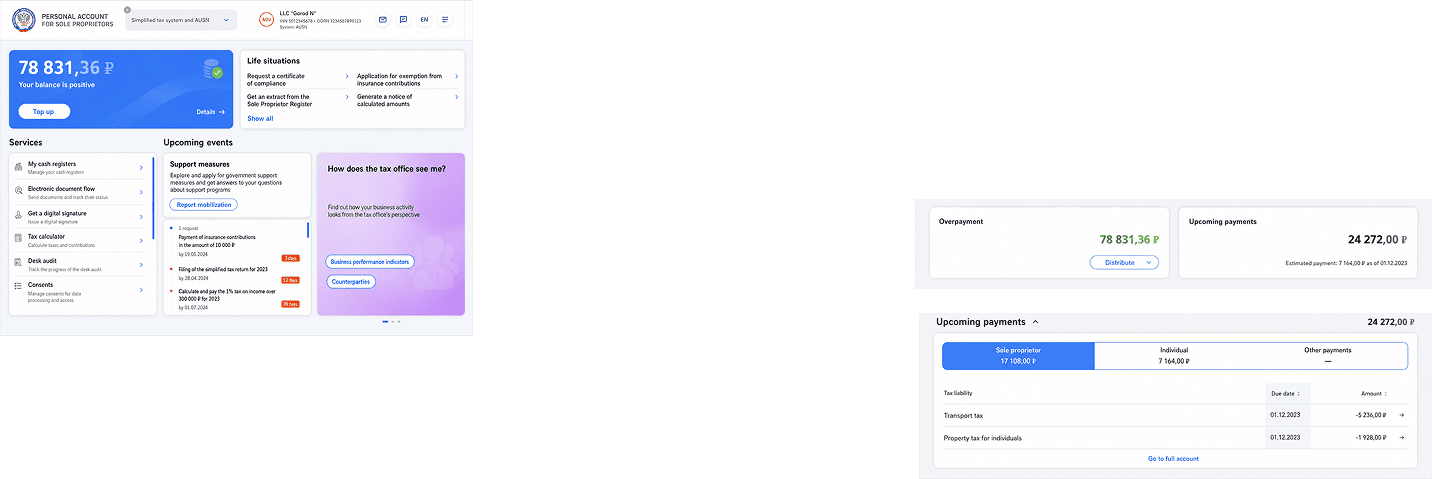
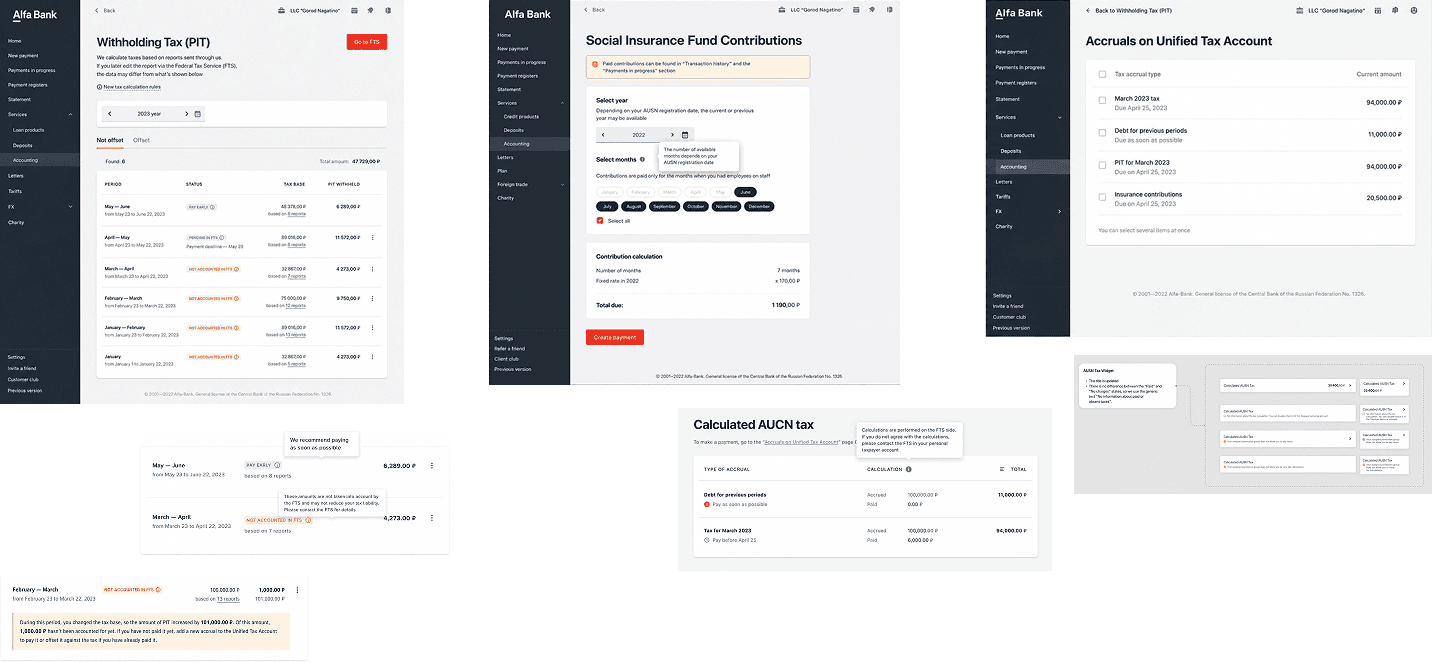
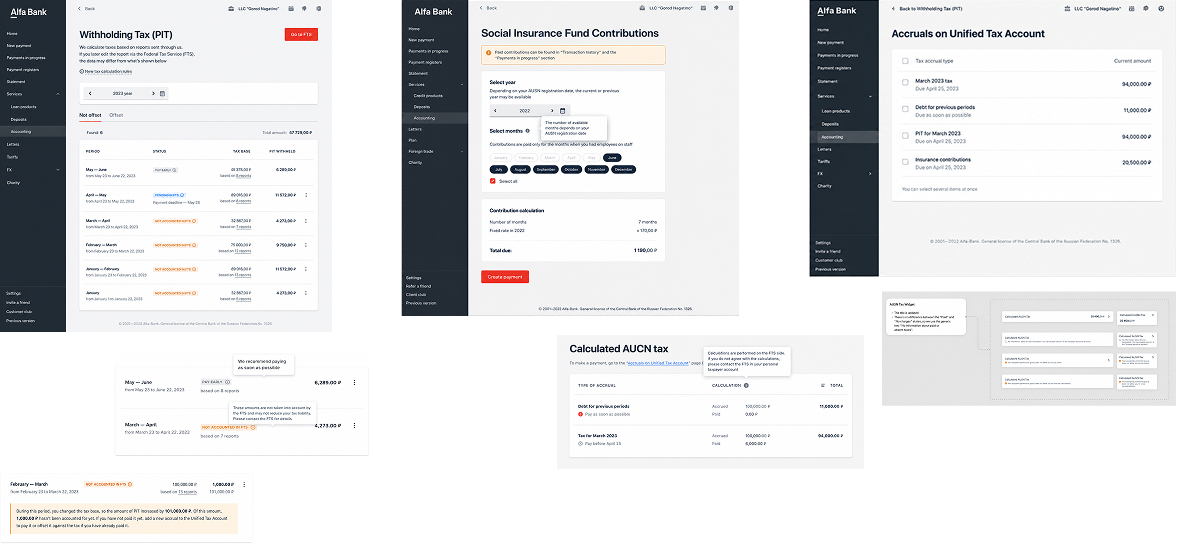
The income-tax and calculated-tax sections show what's due now and what hasn't hit the single payment yet. Tax adds up across quarters, debt included.
Working around what didn't exist yet
Being first in the country meant parts of the plumbing simply weren't there. There was no automatic sync between the tax service and the bank: when a client paid the tax directly, our system never heard about it. So I designed a clear flow where the client marks the tax as paid themselves, so we don't count it twice.
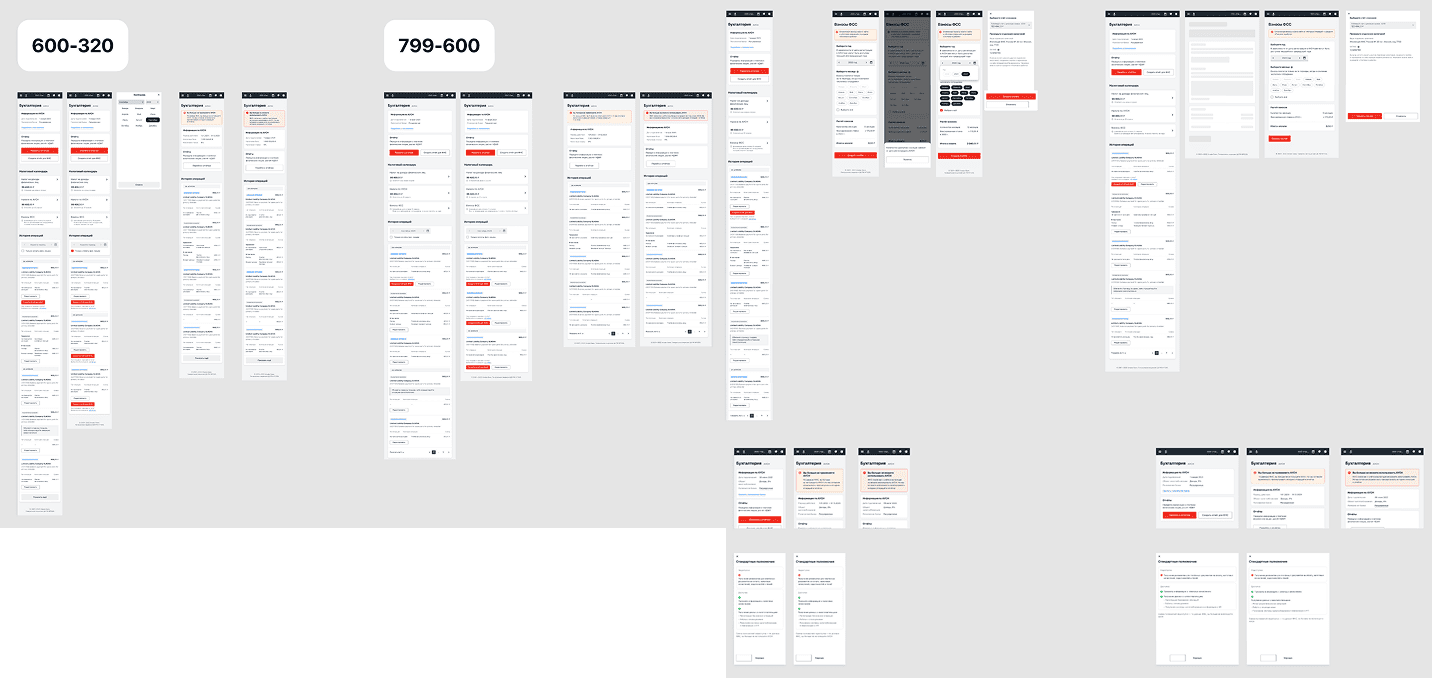
And because of Apple and Android store restrictions on Russian banks, the bank decided priority flows would ship in mobile web first — which I designed too.
Results
250
businesses on AUSN in the whole country when we were connecting it with the tax service — the starting line
1st wave
Alfa among the first banks — and the first major one to offer the switch in one window, inside the bank (Aug 2022)
~25%
Alfa's share of the AUSN market today — the regime has since grown to ~444k businesses
Honest framing: I designed the one-window onboarding right at the start, when the whole country had ~250 AUSN users across four pilot regions. The market numbers here are today's — the product I helped launch early grew to hundreds of thousands after I'd moved on to other teams.
What I took away
REFLECTION
The biggest challenge was getting into the legal guts of a brand-new regime and chewing them down so the client wouldn't have to. The second was accepting that a product this complex stays complex no matter what — the designer's job is to find the spots where you can make it a little simpler. And working with a government body was a first for me, and genuinely useful.
The lesson I kept: when you feel like you understand everything, you understand nothing. The trick is admitting it and going to other people for their expertise — not playing the hero who'll "just knock it out real quick."
A tax regime where the tax service does the math for you — no accountant, almost no reporting.
Alfa-Bank was in the first wave of banks to launch it, in 2022 — and the first major bank to offer the switch in one window. I designed it from scratch.
PRODUCT DESIGNB2B FINTECHREGULATEDCROSS-PLATFORM
The Russian
first automatic tax regime
Alfa-Bank. Accounting team — AUSN
In July 2022 the government launched an experiment: a tax regime where the tax service does the math for you. 16 banks fought for the right to offer it first.
Alfa-Bank won and I was the one who turned this brand-new, never-before-designed product into something an ordinary business owner could use without an accountant.
ROLE
Middle product designer. Solo designer from the halfway point
TEAM
2–3 teams in parallel · 2 designers → just me. Analysts, engineers, a lawyer, product owners
YEAR
2022
PLATFORMS
Web · mobile web
CONTEXT
AUSN is the automated simplified tax system —
a government experiment running from 2022 to 2027 across four regions. The idea is to take the busywork off small business owners.
Almost no reporting, no insurance contributions, and the tax service calculates the tax every month itself — from cash register, bank and personal-account data. The rate depends on what you pick:
8% on income, or 20% on income minus expenses.
Why it's hard to design: it's new. No patterns,
no references, and the data arrives from the outside — from the tax service, in raw legal form. A mistake
in the interface costs the client real money and fines.
What AUSN is
WHY IT'S HARD
Nobody had designed
a product like this before.
No guidelines, no competitors,
no ready integration — and the whole regime speaks the language of the tax code.
The challenge
The job cut both ways: translate legal wording and raw tax data into something a business owner understands, while keeping it correct enough for the regulator. You can't be wrong for the client or for the law.
I joined as a mid-level product designer. To hit a tight deadline, two or three teams built AUSN in parallel. Between all of them there were two designers — then the other one left, and from the halfway point the whole design was on me.
The final design is entirely mine.
My role
I worked side by side with analysts, engineers and a legal advisor, and picked apart the tax logic with the lawyer until it made sense. Research, service blueprint, flows, information architecture, hi-fi, and defending the work to the bank and the tax service — all mine.
How I worked
RESEARCH
01
Service blueprint, customer journey map,
and a competitive teardown of ~16 banks.
LOGIC
02
Turning tax law and raw forms into flows — with the lawyer, until it made sense.
MVP
03
Ship, show to the tax service, get their sign-off and edits, then finish for real.
DESIGN
04
Dashboard, permissions, markers, tax sections, mobile web — all hi-fi.
DEFEND
05
Hold every decision up to the bank's business side and the regulator.
To see the whole product, I built a service blueprint
of AUSN end to end — lining up every team involved, finding the weak spots, and mapping where the service should go next.
Research
Next to it sat a customer journey map, from "first hearing about the regime"
to using it with confidence.
In parallel I ran a competitive teardown of the ~16 banks bidding for the tender — reading their landing pages to see what they planned to build, and where we could be sharper.
Turning law into an interface
PROCESS
The hard part was the tax data. I took the official tax forms apart field by field and rebuilt them into screens a person could read — but in a shape the tax service could accept and read back without ambiguity.
With engineering we mapped the operation and category reference books, how transactions tie
to the tax base, and the single-tax-account balance
logic — inside the limits of what front and back could do.
I got the logic out of our lawyer: asking her to explain it like I was five, until I actually understood it. Only then I could make
it simple for the client.
I asked our lawyer to explain it like I was five — then made it simpler.
MVP and the regulator
We didn't work with the tax service the usual "design, then build" way — we worked in loops. We shipped an MVP, showed it to them, got their sign-off and their edits, and only then went back to finish the real thing.
The tax service was effectively a second client. Their constraints had to sit inside the design at every step, and every decision had to hold up in front of the regulator — not just the bank's business side.
First full flow
Prototype for Federal Tax team with some options to choose
MVP 1
MVP 2
Waiting for a Federal Tax
to join our meeting
Proud to start the trend
for a carpet backgrounds
The product,endto end
WHAT'S INSIDE
Landing
Main dashboard
Permissions status model
Transactions & markers
Income & calculated tax
Landing
Explains the regime in plain words: who it fits, what the single tax account is, how everything gets counted. Signing up takes two steps — fill in a consent form and wait for the tax service to reply.
Main dashboard
One place for everything: the state of the regime, a tax calendar with what's due and what's overdue, and an operation history you can retag by hand.
Permissions status model
The bank only touches a client's tax data with their consent. I designed a permissions model where the client decides what the bank can access, and can see at a glance what's on and what's off.
Transactions and markers
The heart of the regime — how every operation gets tagged for tax. Instead of dry codes from the tax handbook, I gave people plain markers: you see what lands in the tax base and why, and can fix the tagging by hand.
Income and calculated tax
The income-tax and calculated-tax sections show what's due now and what hasn't hit the single payment yet. Tax adds up across quarters, debt included.
Working around what didn't exist yet
Being first in the country meant parts of the plumbing simply weren't there. There was no automatic sync between the tax service and the bank: when a client paid the tax directly, our system never heard about it. So I designed a clear flow where the client marks the tax as paid themselves, so we don't count it twice.
And because of Apple and Android store restrictions
on Russian banks, the bank decided priority flows would ship in mobile web first — which I designed too.
Results
Honest framing: the market numbers here are today's — the product I helped launch early grew to hundreds of thousands after I'd moved on to other teams.
25040K
businesses on AUSN in the whole country when we were connecting it with the tax service and the number of clients at 2026
~25%
Alfa's share of the AUSN market today
1st wave
Alfa among the first banks — and the first major one to offer the switch in one window, inside the bank (Aug 2022)
What I took away
REFLECTION
The biggest challenge was getting into the legal guts of a brand-new regime and chewing them down so the client wouldn't have to. The second was accepting that a product this complex stays complex no matter what — the designer's job is to find the spots where you can make it a little simpler. And working with a government body was a first for me, and genuinely useful.
The lesson I kept: when you feel like you understand everything, you understand nothing. The trick is admitting it and going to other people for their expertise — not playing the hero who'll "just knock it out real quick."
A tax regime where the tax service does the math for you — no accountant, almost no reporting.
Alfa-Bank was in the first wave of banks to launch it, in 2022 — and the first major bank to offer the switch in one window. I designed it from scratch.
PRODUCT DESIGNB2B FINTECHREGULATEDCROSS-PLATFORM
The Russian
first automatic
tax regime
Alfa-Bank. Accounting team — AUSN
In July 2022 the government launched an experiment: a tax regime where the tax service does the math for you.
16 banks fought for the right to offer
it first. Alfa-Bank won and I was the one who turned this brand-new, never-before-designed product into something an ordinary business owner could use without an accountant.
ROLE
Middle product designer.
Solo designer from the halfway point
TEAM
2–3 teams in parallel · 2 designers → just me. Analysts, engineers, a lawyer, product owners
YEAR
2022
PLATFORMS
Web · mobile web
What AUSN is
CONTEXT
AUSN is the automated simplified tax system —
a government experiment running from 2022 to 2027 across four regions. The idea is to take the busywork off small business owners.
Almost no reporting, no insurance contributions, and the tax service calculates the tax every month itself — from cash register, bank and personal-account data. The rate depends on what you pick: 8% on income, or 20% on income minus expenses.
Why it's hard to design: it's new. No patterns,
no references, and the data arrives from the outside — from the tax service, in raw legal form. A mistake in the interface costs the client real money and fines.
The challenge
WHY IT'S HARD
Nobody had designed a product like this before. No guidelines, no competitors, no ready integration — and the whole regime speaks the language of the tax code.
The job cut both ways: translate legal wording
and raw tax data into something a business owner understands, while keeping it correct enough for the regulator. You can't be wrong for the client
or for the law.
My role
I joined as a mid-level product designer.
To hit a tight deadline, two or three teams built AUSN in parallel — between all of them there were two designers, then the other one left, and from the halfway point the whole design was on me.
The final design is entirely mine.
I worked side by side with analysts, engineers and a legal advisor, and picked apart the tax logic with the lawyer until it made sense. Research, service blueprint, flows, information architecture, hi-fi, and defending the work to the bank and the tax service — all mine.
How I worked
RESEARCH
01
Service blueprint, customer journey map, and a competitive teardown of ~16 banks.
LOGIC
02
Turning tax law and raw forms into flows — with the lawyer, until it made sense.
MVP
03
Ship, show to the tax service, get their sign-off and edits, then finish for real.
DESIGN
04
Dashboard, permissions, markers,
tax sections, mobile web — all hi-fi.
DEFEND
05
Hold every decision up to the bank's business side and the regulator.
Research
To see the whole product, I built a service blueprint of AUSN end to end — lining up every team involved, finding the weak spots, and mapping where the service should go next.
Next to it sat a customer journey map, from
"first hearing about the regime" to using it with confidence.
In parallel I ran a competitive teardown
of the ~16 banks bidding for the tender — reading their landing pages to see what they planned
to build, and where we could be sharper.
Turning law into an interface
PROCESS
The hard part was the tax data. I took the official tax forms apart field by field and rebuilt them into screens a person could read — but in a shape the tax service could accept and read back without ambiguity.
With engineering we mapped the operation and category reference books, how transactions tie to the tax base, and the single-tax-account balance logic — inside the limits of what front and back could do.
I got the logic out of our lawyer: asking her to explain it like I was five, until I actually understood it. Only then I could make it simple for the client.
I asked our lawyer
to explain it like I was five
— then made it simpler.
MVP and the regulator
We didn't work with the tax service the usual "design, then build" way — we worked in loops.
We shipped an MVP, showed it to them, got their sign-off and their edits, and only then went back
to finish the real thing.
The tax service was effectively a second client. Their constraints had to sit inside the design
at every step, and every decision had to hold
up in front of the regulator — not just the bank's business side.
with some options to choose
First full flow
Prototype for Federal Tax team
MVP 1
MVP 2
Waiting for a Federal Tax to join our meeting
Proud to start the trend for a carpet backgrounds
The product,endto end
WHAT'S INSIDE
Landing
Main dashboard
Permissions status model
Transactions & markers
Income & calculated tax
Landing
Explains the regime in plain words: who it fits, what the single tax account is, how everything gets counted. Signing up takes two steps — fill in a consent form and wait for the tax service to reply.
Main dashboard
One place for everything: the state of the regime,
a tax calendar with what's due and what's overdue, and an operation history you can retag by hand.
Permissions status model
The bank only touches a client's tax data with their consent. I designed a permissions model where the client decides what the bank can access, and can see at a glance what's on and what's off.
Transactions and markers
The heart of the regime — how every operation gets tagged for tax. Instead of dry codes from the tax handbook, I gave people plain markers: you see what lands in the tax base and why, and can fix the tagging by hand.
Income and calculated tax
The income-tax and calculated-tax sections show what's due now and what hasn't hit the single payment yet. Tax adds up across quarters, debt included.
Working around what didn't exist yet
Being first in the country meant parts of the plumbing simply weren't there. There was no automatic sync between the tax service and the bank: when a client paid the tax directly, our system never heard about it. So I designed a clear flow where the client marks the tax as paid themselves, so we don't count it twice.
And because of Apple and Android store restrictions on Russian banks, the bank decided priority flows would ship in mobile web first — which I designed too.
Results
Honest framing: the market numbers here are today's — the product I helped launch early grew
to hundreds of thousands after I'd moved on
to other teams.
25040K
businesses on AUSN in the whole country when
we were connecting it with the tax service and
the number of clients at 2026
~25%
Alfa's share of the AUSN market today
1st wave
Alfa among the first banks — and the first major one to offer the switch in one window, inside the bank (Aug 2022)
What I took away
REFLECTION
The biggest challenge was getting into the legal guts of a brand-new regime and chewing them down so the client wouldn't have to. The second was accepting that a product this complex stays complex no matter what — the designer's job
is to find the spots where you can make it a little simpler. And working with a government body was a first for me, and genuinely useful.
The lesson I kept: when you feel like you understand everything, you understand nothing. The trick is admitting it and going to other people for their expertise — not playing the hero who'll "just knock it out real quick."